



Operation Mincemeat
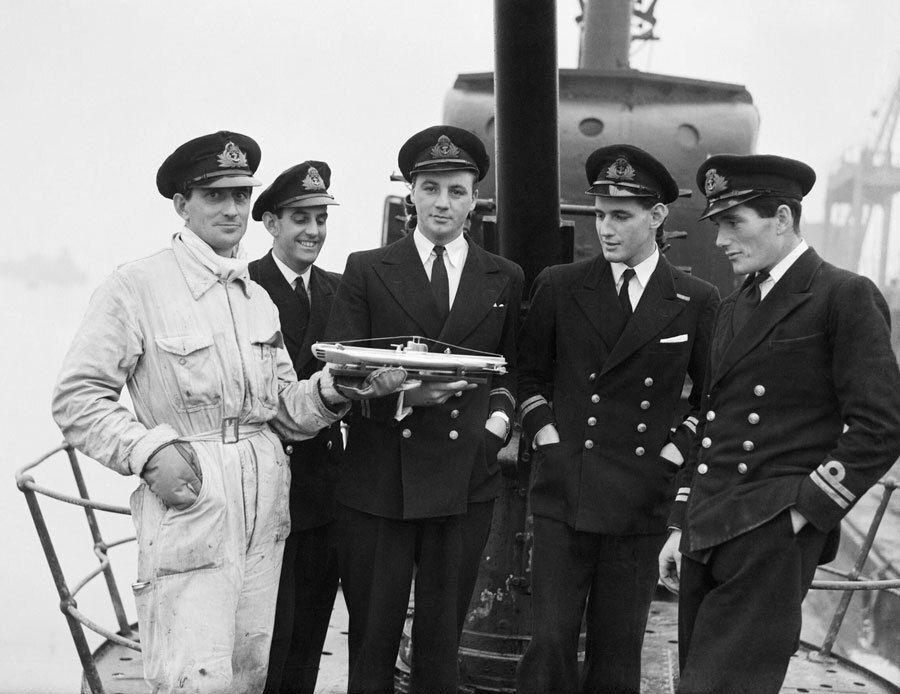
The HMS Seraph would be the submarine selected to carry out Operation Mincemeat.
Left to right: Warrant Engineer M.N. Stevenson, Lieutenant F.G. Harris, Lieutenant R. Norris, Lieutenant N.L.A Jewell (the commanding officer), Lieutenant W.D. Scott
Image Source: The Imperial War Museum (Record A 21112)
Operation Mincemeat was a World War II deception operation that successfully disguised the Allied invasion of Sicily in 1943. Commandeered by British intelligence, the goal of Operation Mincemeat was to mislead the Axis powers on the planned locations of Allied assaults around the Mediterranean. The hope was to deceive them into sending reinforcements to Greece and Sardinia rather than the true target, Sicily—and they accomplished this through the planting of false military documents on a corpse.
In January of 1943, the body of Glyndwr Michael, a vagrant who died after eating rat poison, was selected to play the role of the corpse. His body could not be frozen, as evidence of thawing would ruin the assumption he had died from a faulty parachute; however, the corpse would only last three months in the fridge: they had to act quickly. Michael was given the fabricated identity of “Captain William Martin,” an acting Major of the Royal Marines.
Fictitious personal effects were planted on his person (including a photo of a supposed “fiancé”) as well as “classified” correspondence between two generals, which suggested that the Sicily was a mere feint target, and that the Allied forces had their eyes set on invading Greece and Sardinia.
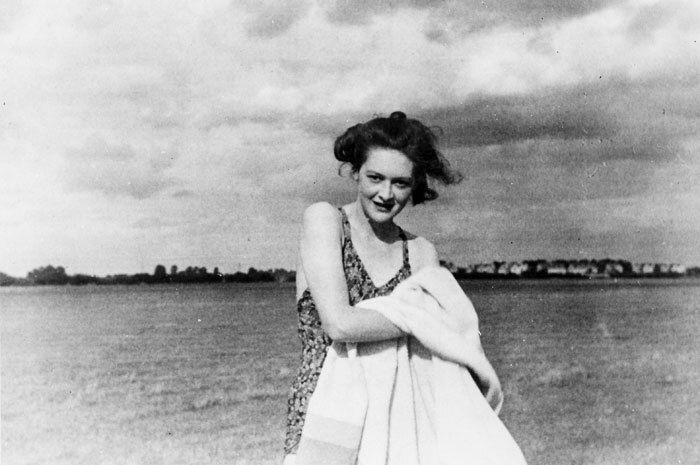
The woman photographed here was actually Jean Leslie, a MI5 staff member. "Captain Martin" had a fake receipt for an engagement ring in his pocket, as well as two love letters from "Pam."
Image Source: The National Archives (Record WO106/5921)
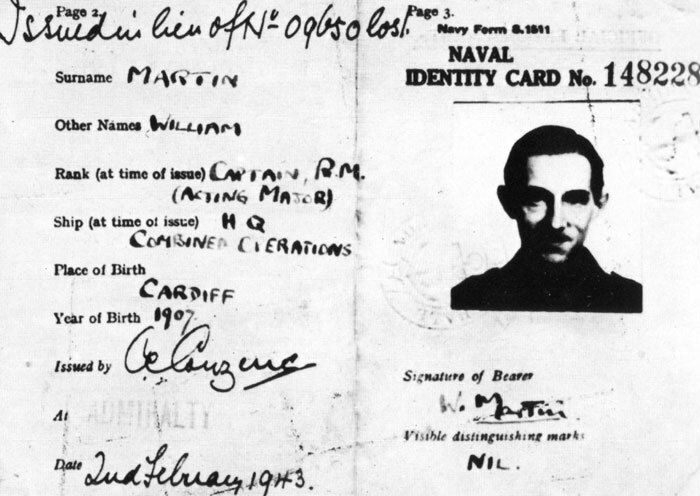
Image Source: The National Archives (Record WO 106/5921)
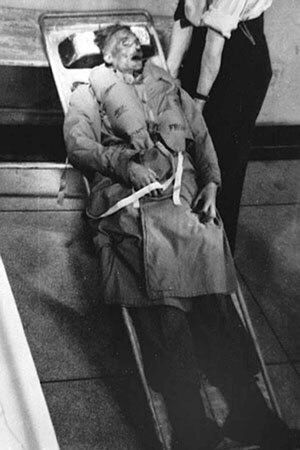
Image Source: The National Archives (Record WO 106/5921)
In April, “Captain Martin” was transported to the southern coast of Spain via submarine (The HMS Seraph, depicted above) and released near shore to be discovered; though Spain was supposedly neutral, it was proven that they shared information with the Germans following the Turner crash in 1942.
A fisherman discovered the body of “Captain Martin,” and handed him over the authorities, who immediately were interested in the contents of his correspondence. The Spanish government shared copies of the “classified” documents with German military intelligence before returning the (supposedly untampered) originals to the British.
Upon forensic examination, it was evident the documents had been read, and decrypted German messages revealed that the ruse had worked: German reinforcements were shifted to Greece and Sardinia, and Sicily was left vulnerable for the July 1943 Battle of Sicily.
Bibliography
Macintyre, Ben (2010). Operation Mincemeat. London: Bloomsbury. ISBN 978-1-4088-0921-1.
